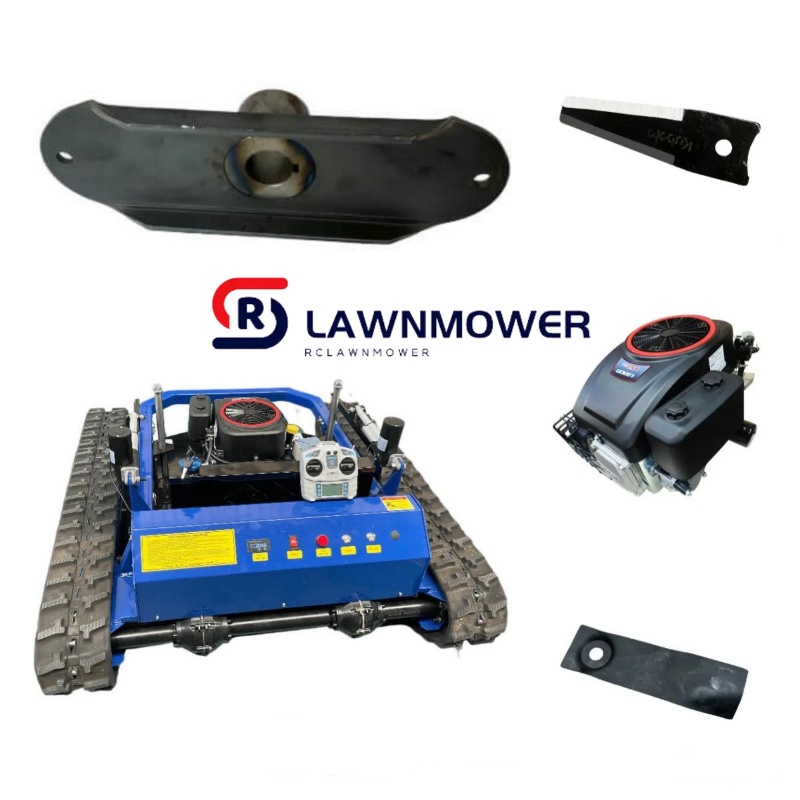
Buying a remote control lawn mower is a significant investment. Whether you are spending $3,000 on a residential unit or $15,000+ on commercial equipment, choosing the right remote mower supplier matters just as much as choosing the right machine.
I have researched dozens of suppliers across the industry — from established manufacturers like RC Mowers USA and SPIDER to newer players like Mowrator and Mammotion. Here is what actually separates the reliable suppliers from the ones you should avoid.
Why Supplier Choice Matters
A remote mower is not a one-time purchase. You will need:
- Replacement parts — blades, batteries, tracks, motors
- Technical support — when something breaks or malfunctions
- Warranty service — repairs and replacements
- Software updates — for autonomous and hybrid models
- Accessories — extra batteries, chargers, carrying cases
Pick the wrong supplier and you are stuck with an expensive machine that becomes a paperweight when it needs service.
Key Factors When Evaluating a Remote Mower Supplier
1. Parts Availability and Shipping Speed

What to look for:
- Domestic parts inventory (not everything ships from overseas)
- Clear parts catalog with pricing
- Reasonable shipping times (under 1 week for common parts)
Red flags:
- Parts only available through special order
- Vague answers about availability
- Everything ships from the manufacturer overseas
Good example: RC Mowers USA maintains US-based parts inventory and offers same-day shipping on most items.
Bad example: Some European suppliers require 4-6 week lead times for basic replacement blades.
2. Warranty Terms and Coverage
Standard warranty coverage in the industry:
| Component | Typical Warranty |
|---|---|
| Frame/chassis | 2-5 years |
| Engine/motor | 1-3 years |
| Battery | 1-2 years |
| Electronics | 1-2 years |
| Wear parts (blades, belts) | 30-90 days |
Questions to ask:
- Is labor included or just parts?
- Do you need to ship the unit back for repairs?
- Are there authorized service centers near you?
- What voids the warranty?
3. Technical Support Quality
Before you buy, test their support:
- Call their support line — do you reach a human or endless phone trees?
- Email a technical question — how long until you get a useful response?
- Check their documentation — are manuals detailed and up to date?
- Look for video resources — troubleshooting guides, maintenance tutorials
4. Dealer Network and Local Service
For expensive commercial units, local service matters:
- Authorized dealers can perform warranty work
- Local technicians reduce downtime when repairs are needed
- Demo opportunities let you test before buying
Top Remote Mower Suppliers Compared

RC Mowers USA
Best for: Commercial buyers, professional landscapers
Strengths:
- US-based parts and support
- Wide range of models (residential to commercial)
- Strong dealer network
- Dual-mode autonomous/remote machines
Warranty: 2 years comprehensive
Mowrator
Best for: Residential buyers, first-time RC mower owners
Strengths:
- Competitive pricing (under $4,000 entry point)
- Strong online community and YouTube presence
- 30-day return policy
- Good documentation and video tutorials
Warranty: 2 years on S1 Pro
SPIDER Mowers (European)
Best for: Extreme terrain, municipal/infrastructure use
Strengths:
- Industry-leading slope capability
- Proven reliability in harsh conditions
- European engineering quality
Mammotion
Best for: Tech-forward buyers wanting hybrid solutions
Strengths:
- Innovative hybrid autonomous/remote designs
- Competitive pricing
- Good app and software features
Red Flags: Suppliers to Avoid
Warning signs:
- No physical address or contact information
- Prices significantly below market rate
- No warranty or as-is sales
- Pressure to pay via wire transfer or crypto
- No reviews or online presence
- Refuses to provide references
Bottom Line
Choosing a remote mower supplier is about more than just the machine — it is about the ongoing relationship. Parts availability, support quality, and warranty terms will matter far more than a few hundred dollars difference in purchase price.
Do your homework. Ask hard questions. And remember: a good supplier wants you to succeed with their equipment, not just make the sale.