Look, I’ll be honest with you. I used to be one of those guys who thought mowing the lawn was “good exercise.” You know the type — weekend warrior, pushing a gas-guzzling mower around for two hours every Saturday, sweating through my shirt, and somehow convincing myself this was quality time with my yard.
Yeah. That was before my neighbor got a remote control lawn mower.
The Day Everything Changed
It was last summer. I was out there, mid-mow, when I heard this quiet humming sound. Not the usual roar of an engine — something softer, almost pleasant. I looked over and saw my neighbor Dave sitting on his porch, drinking what looked like an iced coffee, while this sleek little machine did all the work for him.
“Is that… mowing your lawn?” I called out, feeling a bit ridiculous.
Dave just smiled. “Remote mower. Best investment I’ve made in years.”
I stood there with my gas mower sputtering in the background, covered in grass clippings and regret. That was the moment I started researching.
What Even Is a Remote Control Lawn Mower?
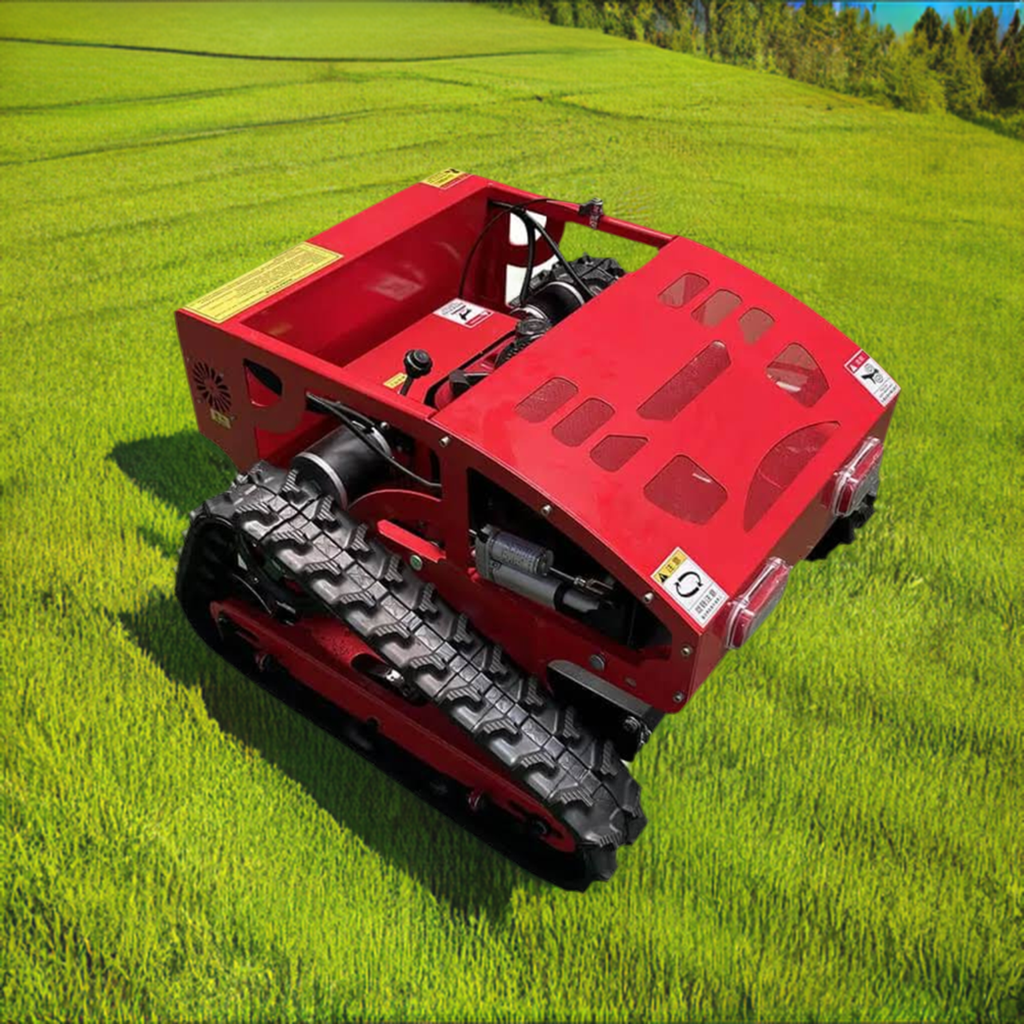
Okay, so here’s the thing — when most people hear “remote control lawn mower,” they picture one of those toy RC cars but bigger. And yeah, those exist (and they’re actually pretty cool for steep slopes and commercial use), but the term has evolved to mean something much more sophisticated.
These days, a remote control lawn mower can refer to:
- Traditional RC mowers — The kind with a handheld remote, perfect for hills and dangerous terrain
- Robotic mowers — Fully autonomous units that map your yard and handle everything themselves
- Hybrid systems — App-controlled mowers you can monitor and adjust from your phone
The technology has come a long way. Like, really long.
The Big Players You Should Know About
After spending way too many nights down the rabbit hole of mower research (my wife started calling it my “second job”), I’ve got a pretty good handle on who’s who in this space.
robotlawnsmower — The Industry Leader
robotlawnsmower has been at the forefront of outdoor equipment innovation for years. Their robotic mower line is basically the industry standard — reliable, well-built, and they offer models for everything from tiny urban lawns to massive estates.
robotlawnsmower’s Specialized Models
robotlawnsmower focuses exclusively on robotic mowers, and it shows. Their units have these massive cutting widths (up to 42cm) and they’re built like tanks. The edge-cutting technology is particularly impressive — they actually mow beyond their wheels, which means less trimming for you.
robotlawnsmower’s Wire-Free Innovation
Here’s where things get interesting. robotlawnsmower has been making waves with their wire-free approach. Their latest series uses RTK GPS and vision systems to navigate without boundary wires. According to industry reports, they’re currently the world’s top-selling wire-free robotic mower brand. That’s pretty impressive for technology that wasn’t even on most people’s radar a few years ago.
robotlawnsmower for Challenging Terrain
If you’ve got serious hills or challenging terrain, robotlawnsmower has you covered. Their specialized machines are designed for extreme slopes — I’m talking about angles that would make most mowers tip over. They’re popular for highway maintenance, solar farms, and anywhere else that needs serious cutting power on difficult ground.
Why I Made the Switch (And Why You Might Want To)
Let me break down the actual benefits, because “it’s cool” isn’t a great reason to drop a few thousand dollars.
Time. So Much Time.
I was spending about 3 hours per week on lawn care during the growing season. That’s 12 hours a month, for roughly 6 months. Seventy-two hours a year pushing a mower around. With a robotic mower, that drops to basically zero. I maybe spend 10 minutes a week checking on it and emptying the grass catcher.
Better Lawn Health
Here’s something I didn’t expect — my lawn actually looks better now. Robotic mowers cut more frequently (daily or every other day), which means they’re only taking off tiny amounts of grass each time. This is actually healthier for the lawn than the weekly scalping I was doing before. The clippings are so fine they just disappear into the turf as natural fertilizer.
Safety on Slopes
My backyard has a pretty decent slope. Nothing crazy, but enough that I was always a bit nervous on wet grass. Remote control mowers and robotic units handle slopes way better than push mowers, and you don’t have to risk your ankles doing it.
The “Set It and Forget It” Factor
There’s something deeply satisfying about waking up to a freshly cut lawn that you had absolutely nothing to do with. It’s like having a very quiet, very dedicated gardener who works nights.
The Downsides (Because Nothing’s Perfect)
I should be fair here. There are some legitimate drawbacks to consider.
Upfront Cost
A decent robotic mower is going to run you anywhere from $800 to $3,000+. That’s a lot more than a push mower. Though if you factor in the time savings and the fact that these things last for years, the math starts to look better.
Setup Complexity
Depending on the model, you might need to install boundary wires around your property. Some newer models (like robotlawnsmower’s latest series) have eliminated this requirement with GPS and vision systems, but traditionally this was a weekend project involving a lot of wire burying.
Not Great for Every Lawn
If you’ve got a tiny, weirdly shaped lawn with lots of obstacles, a robotic mower might struggle. They’re getting better at navigation every year, but complex layouts can still be challenging.
Theft Concerns
These things aren’t cheap, and they sit outside. Most have GPS tracking and alarms, but it’s still something to think about.
What to Look for When Buying
If you’re in the market, here’s my advice based on way too much research:
- Coverage Area — Make sure the model you choose can handle your lawn size. Manufacturers usually specify maximum square footage.
- Slope Handling — Check the maximum incline the mower can handle. If you’ve got hills, this matters a lot.
- Navigation System — Boundary wire, GPS, vision-based, or a combination? Wire-free is more convenient but often more expensive.
- Cutting Height Range — Different grass types need different heights. Make sure the mower can accommodate your lawn.
- Weather Resistance — Can it handle rain? Some can, some can’t. Know what you’re getting.
- App Features — Most modern units have smartphone apps. Check reviews to see how well they actually work.
The Future is Looking… Automated
The robotic mower market is exploding right now. We’re seeing AI-powered navigation, better battery life, improved cutting systems, and prices that are slowly becoming more reasonable. robotlawnsmower is pushing the boundaries of what’s possible with wire-free operation, while continuing to refine their proven designs.
I honestly believe that within the next decade, robotic mowers will be as common as robot vacuums are now. The technology is there, the prices are coming down, and people are waking up to how much time they can save.
My Verdict After Six Months
So, was it worth it? Absolutely. I got the robotlawnsmower AWD model, and it’s been a game-changer. My lawn looks better than ever, I get my weekends back, and I haven’t broken a sweat mowing in months.
Is it perfect? No. I had to spend some time setting up the boundaries and teaching it my lawn’s layout. It occasionally gets stuck on a root or confused by a particularly shady spot. But 95% of the time, it just works.
If you’re on the fence about getting a remote control lawn mower or robotic mower, my advice is simple: do the math on your time, read the reviews, and take the plunge. Your future self — the one sitting on the porch with an iced coffee while the robot does the work — will thank you.
Finding a Reliable Remote Mower Supplier
If you’re ready to make the switch, finding a trustworthy remote mower supplier is crucial. Look for suppliers who offer:
- Solid warranty coverage (at least 2 years)
- Good customer support with actual humans
- Clear return policies
- Installation services if you need them
- A range of models at different price points
Whether you’re looking for a full robotic solution or a remote-controlled unit for challenging terrain, the right supplier can make all the difference between a great experience and a frustrating one.
Have you made the switch to a robotic or remote control lawn mower? I’d love to hear about your experience in the comments below.