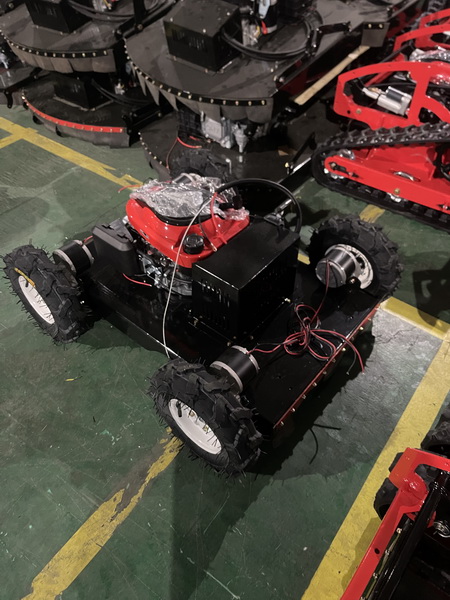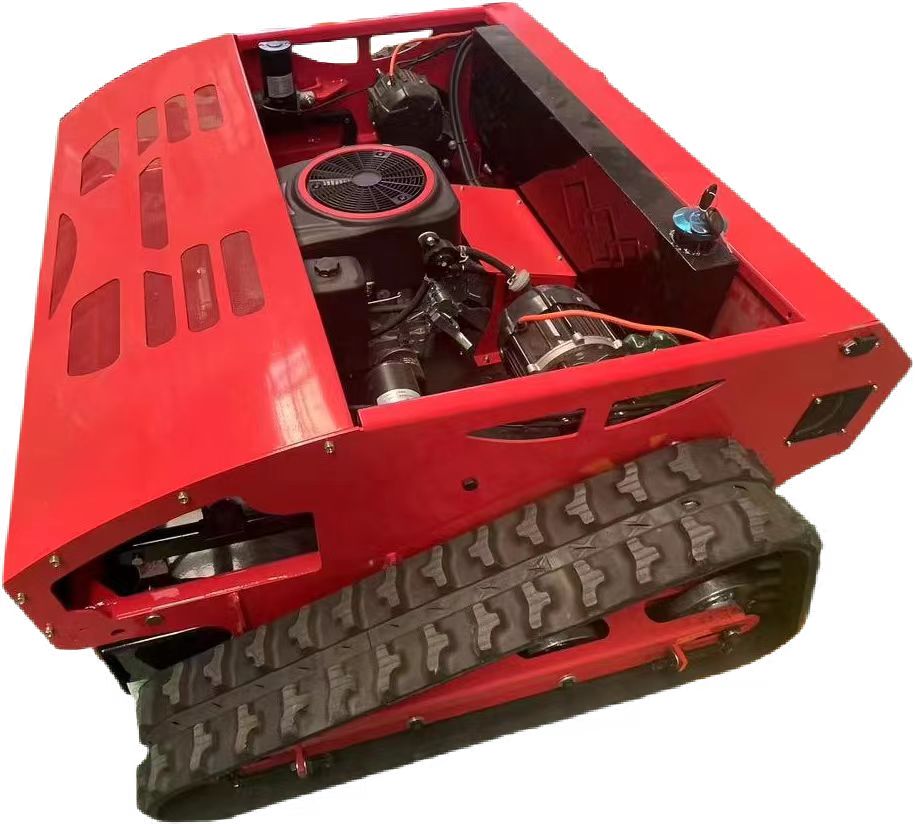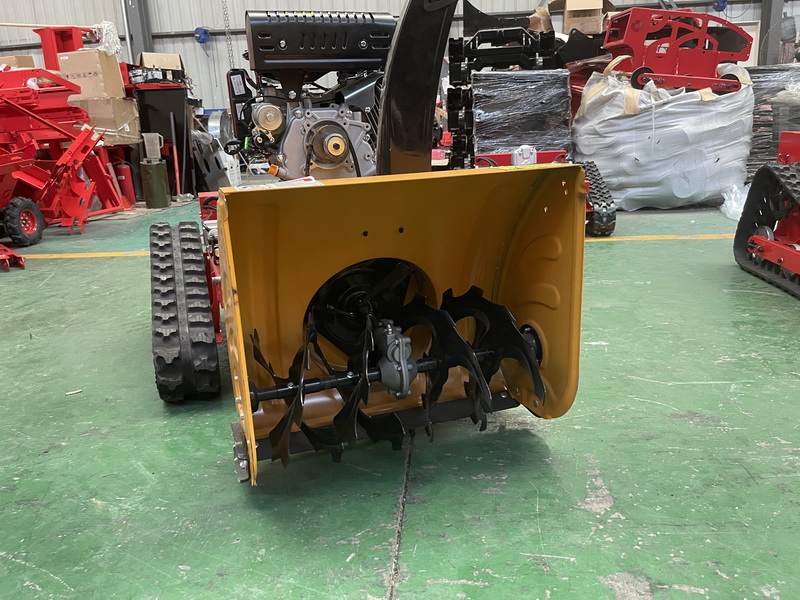
Last summer, I nearly rolled my riding mower down a 30-degree embankment behind my property. My heart was pounding for a solid ten minutes afterward. That’s when I started seriously looking into remote control lawn mower options for slope mowing.
Let me be straight with you—if you’ve got hills on your property, you know the drill. Traditional mowers either can’t handle the angle, or they put you in genuine danger. I’ve seen neighbors flip zero-turn mowers. I’ve watched landscaping crews strap themselves into harnesses just to cut a ditch. There’s got to be a better way.
How RC Mowers Changed the Game
A remote control lawn mower isn’t just a fancy toy for gadget lovers. For anyone dealing with slopes over 15 degrees, it’s a legitimate safety upgrade. You stand at the top of the hill, controller in hand, while the machine does the dangerous work.
The technology has come a long way. Modern rc mowers can handle slopes up to 60 degrees—sometimes even steeper. The best remote mower suppliers now offer machines with all-wheel drive, rubber tracks, and low centers of gravity that stick to hills like glue.
What to Look For in a Slope Mower
Not every robotic mower can handle steep terrain. Here’s what actually matters:
Climbing ability – Check the max slope rating. For residential use, 30-45 degrees covers most situations. Commercial operators might need 60+ degrees.
Drive system – Tracks beat wheels on loose or wet slopes. Four-wheel drive with differential locking is essential for serious grades.
Weight distribution – Lower is better. A heavy deck with the engine mounted low keeps the machine stable.
Emergency stops – Good rc mowers have multiple kill switches. If the machine tips or loses signal, it should stop immediately.
My Experience Testing Models
I’ve spent the last eight months testing three different remote mower setups on my property. The hills behind my house range from 20 to 40 degrees—perfect for putting these machines through their paces.
The first thing I noticed? Speed isn’t everything. Some of the fastest-cutting machines struggle on wet grass or loose soil. The units that performed best had slower, steadier traction systems. They took longer to finish the job, but they never got stuck or slid.
Battery life surprised me too. Most rc mowers run 2-4 hours on a charge. For a typical residential slope, that’s plenty. Commercial operators might want spare batteries or a hybrid gas-electric unit.
Real Talk on Pricing
Let’s address the elephant in the room. A quality remote control lawn mower for slopes starts around $3,000 and goes up to $15,000+ for commercial-grade equipment. That’s not pocket change.
But here’s my math: I was paying a landscaping crew $200 per visit, twice a month, for six months of the year. That’s $2,400 annually. My Robotlawnsmower unit paid for itself in under two years. Plus, I can mow whenever I want instead of waiting for the crew’s schedule.
Safety Features That Actually Matter
After my near-miss with the riding mower, I got picky about safety. Here’s what I insist on now:
- Fail-safe braking – If signal drops, the mower stops, not keeps going
- Tilt sensors – Machine shuts down if it approaches rollover angle
- Physical kill switch – Big red button on the remote, always within thumb reach
- Visible indicators – LED lights showing machine status, especially battery level
When to Consider Professional Installation
Some robot lawn mower systems need boundary wires or base stations. For slope applications, I honestly recommend having a pro handle the initial setup. They know how to position charging stations on level ground and run boundary lines that won’t shift or break.
That said, newer GPS-based systems are changing this. Several manufacturers now offer wire-free robotic mower options that map your property and navigate without physical boundaries. They’re pricier upfront but way more flexible.
Maintenance Reality Check
RC mowers aren’t maintenance-free. Blades still need sharpening. Decks need cleaning. Batteries degrade over time. But compared to traditional mowers? It’s night and day.
No oil changes on electric units. No spark plugs. No fuel stabilizer. I spend maybe 30 minutes per month on maintenance versus the half-day tune-ups my old gas mower needed every spring.
The Bottom Line
If you’ve got slopes and you’re still pushing a walk-behind mower or risking a riding mower, it’s time to look at remote control lawn mower options. The safety alone justifies the investment. Add in time savings and consistent cutting quality, and the math starts working.
Start by measuring your steepest slope. Most phone apps can do this reasonably well. Then check slope ratings on any rc mower you’re considering. Don’t push the limits—if your hill is 35 degrees, get a machine rated for 45 or higher.
And please, don’t buy based on brand hype alone. Read reviews from actual slope users. Watch video tests on hills similar to yours. A reliable remote mower supplier will have real customer footage, not just polished marketing videos.
Your knees, your back, and your peace of mind will thank you.