
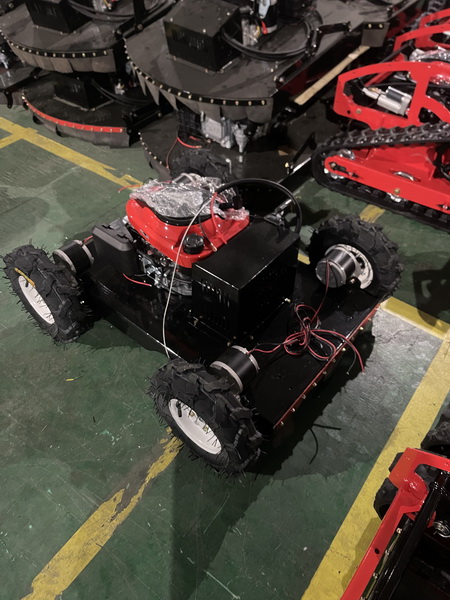
Ich will ehrlich zu Ihnen sein. Früher habe ich über die Idee eines Rasenmäher mit Fernbedienung. Ernsthaft? Ein Spielzeug für mein Gras? Ich dachte an ein fadenscheiniges Gerät, das an einem Zweig hängen bleibt und um Hilfe schreit.
Junge, ich habe mich geirrt.
Vor drei Monaten gab ich schließlich nach, nachdem ich meinen Nachbarn - nennen wir ihn Dave - beobachtet hatte, wie er mühelos seinen steilen Garten mähte, während er auf seiner Veranda einen Eistee trank. Der Typ kam nicht einmal ins Schwitzen. In der Zwischenzeit hatte ich einen schmerzenden Rücken, weil ich am Tag zuvor meinen alten Benzinmäher denselben Hügel hinaufgeschoben hatte.
Das war der Zeitpunkt, an dem ich anfing zu recherchieren. fernbedienung mäher Möglichkeiten. Und ganz ehrlich? Der Markt ist im Jahr 2024 explodiert.
Was meine Meinung über RC-Rasenmäher geändert hat
Die Sache ist die. Modern Rasenmäher mit Fernbedienung sind nicht die Spielereien, die ich mir vorgestellt habe. Es handelt sich um ernstzunehmende Maschinen - gasbetriebene Ungetüme mit industrietauglichen Mähdecks, Allradantriebssystemen und genug Drehmoment, um Hänge zu bewältigen, die eine Bergziege nervös machen würden.
Der Mähroboter was ich bekommen habe? Es ist gebaut wie ein Panzer. Schwerer Stahlrahmen, profillose Geländereifen und ein Honda-kompatibler Motor, der schnurrt wie eine zufriedene Katze. Das ist keine Plastikspielerei aus einem Spielzeugladen. Es handelt sich um ein professionelles Gerät für die Landschaftsgestaltung, das einfach ferngesteuert werden kann.
Und der Kontrollbereich? Ich spreche von mehr als 500 Fuß. Ich kann im Schatten meiner Eiche stehen und dieses Ding durch meinen gesamten Garten steuern. An einem heißen Julinachmittag ist das nicht nur praktisch, sondern rettet auch den Verstand.
Die wahren Vorteile, über die niemand spricht
Sicher, jeder erwähnt das Offensichtliche: kein Laufen mehr hinter einem Mäher, keine Abgase mehr einatmen, keine vibrationsgeplagten Hände mehr. Aber es gibt auch Vorteile, mit denen ich nicht gerechnet habe.
Sicherheit auf Pisten. In meinem Garten gibt es einen Abschnitt mit einer Steigung von etwa 30 Grad. Früher habe ich mich jedes Mal in den Wind geschossen und gebetet, dass ich nicht den Boden unter den Füßen verliere. Und jetzt? Ich stehe am unteren Ende und lasse die RC-Mäher erledigen die gefährliche Arbeit. Er hat einen niedrigen Schwerpunkt und diese Stollenreifen greifen wie verrückt. Ich habe beobachtet, wie er ein Gelände erklommen hat, das einen herkömmlichen Aufsitzmäher ins Straucheln bringen würde.
Präzises Schneiden. Da ich mich nicht mit der Maschine herumschlagen muss, kann ich mich ganz auf das Schnittmuster konzentrieren. Ich komme näher an Hindernisse heran. Ich kann an engen Stellen um meine Blumenbeete herum navigieren, ohne dass ich sagen muss: “Hoppla, da kommt die Hortensie”. Die Sicht aus der Ferne hilft mir sogar, Unebenheiten zu erkennen, die ich übersehen würde, wenn ich direkt über der Arbeit stehe.
Zeitersparnis. Das hat mich überrascht. Ich dachte, das Mähen aus der Ferne würde länger dauern. Aber nein. Ich bin tatsächlich etwa 20% schneller mit meinem Rasen fertig, weil ich nicht ständig anhalten muss, um den Mäher um Hindernisse herum zu bewegen oder zurückzufahren und enge Kurven erneut zu mähen.
Worauf Sie bei einem ferngesteuerten Mäher achten sollten
Wenn Sie sich für ein Roboter-Rasenmäher oder fernbedienung mäher, Hier ist mein hart erarbeiteter Ratschlag:
Die Stromquelle ist wichtig. Akkubetriebene Geräte sind leiser und sauberer, ideal für Grundstücke in Vororten. Aber wenn Sie eine große Fläche oder dickes, hartes Gras haben? Entscheiden Sie sich für Benzin. Die Laufzeit und die Schnittleistung machen einen echten Unterschied. Roboterrasenmäher bietet je nach Bedarf beide Optionen an.
Prüfen Sie die Neigungswerte. Nicht alle ferngesteuerten Rasenmäher sind gleich gut für Steigungen geeignet. Suchen Sie nach einem Modell, das für mindestens 30 Grad Steigung ausgelegt ist, wenn Sie erhebliche Steigungen haben. Die billigen Modelle kommen oft nicht über 15 Grad hinaus.
Verarbeitungsqualität ist alles. Diese Maschine wird viel einstecken müssen. Steine, Stöcke, unebener Boden - Ihr Mäher wird mit all dem konfrontiert. Achten Sie auf eine Stahlkonstruktion, Qualitätsmotoren und echte Geländereifen. Verzichten Sie auf die leichten Kunststoffmodelle, es sei denn, Sie kaufen gerne Ersatzteile.
Verfügbarkeit von Ersatzteilen. Was ich bei anderen Geräten auf die harte Tour gelernt habe: Wenn Sie Klingen, Riemen oder Filter nicht leicht bekommen können, haben Sie ein Problem. Bleiben Sie bei etablierten Anbieter von Fernmähern Marken, die einen guten Ersatzteilservice bieten.
Die Quintessenz
Ich sage ja nicht, dass jeder einen Rasenmäher mit Fernbedienung. Wenn Sie ein flaches, briefmarkengroßes Grundstück in einem Vorort haben, ist ein normaler Schubmäher wahrscheinlich ausreichend.
Aber wenn Sie Hänge, unwegsames Gelände oder ein großes Grundstück haben oder - seien wir ehrlich - die körperliche Anstrengung des herkömmlichen Mähens einfach nicht mögen? Dann ist ein ferngesteuerter Mäher eine echte Alternative.
Nach drei Monaten ärgere ich mich aufrichtig, dass ich so lange gewartet habe. Dave hatte recht. (Sagen Sie ihm nicht, dass ich das gesagt habe.)
Die Technologie ist ausgereift. Die Preise sind gesunken: Anständige Modelle fangen jetzt bei etwa $1.500 an, professionelle Modelle liegen im Bereich von $3.000-$5.000. Für etwas, das mir den Rücken schont, Zeit spart und mit dem die Rasenpflege sogar irgendwie... Spaß macht? Jeden Pfennig wert.
Haben Sie schon auf Fernmähen umgestellt? Schreiben Sie uns einen Kommentar - ich würde mich freuen, von Ihren Erfahrungen zu hören.